

Delivering Agile projects in fast-paced technology firms means keeping every stakeholder informed, involved, and aligned from start to finish. Without a clear communication plan, even the best-run teams risk missed updates and confused priorities. For project managers aiming to master both day-to-day project delivery and the expectations of PMP certification, building a purposeful Agile communication plan sets the stage for continuous feedback and team success at every iteration.
Quick Summary

Step 1: Assess stakeholder needs and communication goals
Before you build a communication plan, you need to understand who your stakeholders are and what they actually need to hear. This step sets the foundation for everything that follows. Without clarity here, your messages will miss the mark and your stakeholders will feel disconnected from the project.
Start by identifying everyone who has a stake in your project. That includes sponsors, team members, clients, end users, executives, and anyone else whose work or decisions affect the outcome. Create a list and get specific about roles and responsibilities.
Next, apply stakeholder mapping to sort them by two dimensions: influence and interest. Plot each stakeholder on a grid with influence on one axis and interest on the other. This tells you who needs constant updates, who needs strategic overviews, and who just needs occasional check-ins. Stakeholder mapping sorts stakeholders by influence and interests to ensure your messages align with expectations.
Now dig into what each stakeholder actually cares about. Ask yourself these questions:
Once you have this information, define your communication goals for each group. These aren’t fuzzy aspirations. They’re specific outcomes: ensure executives understand project status within 24 hours of sprint completion, keep the development team aligned on requirements changes, or maintain client confidence through visible progress.
Different stakeholders need different messages, even about the same project. Customize your approach based on what they actually need to know.
In Agile environments, stakeholder involvement is continuous, not a one-time event. You’ll be revisiting and refining these needs throughout the project as priorities shift and new stakeholders emerge.
Pro tip: Document stakeholder needs and communication preferences in a simple matrix during your project kickoff, then share it with your team so everyone knows who gets what information and when.
Step 2: Define key messages and select communication channels
Now that you understand your stakeholders, it’s time to craft what you’ll actually say and decide how you’ll say it. This step transforms your stakeholder analysis into actionable communication that keeps everyone aligned.
Start by defining your core messages for each stakeholder group. These are the main points you want them to understand and remember. For executives, your message might focus on business value and risk mitigation. For the development team, it’s about requirements clarity and sprint goals. For end users, it’s about how the solution solves their problems. Your messages should be specific, not generic.
An effective communication plan identifies objectives and audience to deliver unified messages tailored to stakeholder needs. But the research doesn’t stop there. You need to decide which channel carries each message.
Consider these common channels and when they work best:
The channel matters because it affects whether people actually engage. A weekly 90-minute status meeting gets skipped. A 10-second dashboard update gets checked. Send important decisions buried in a 15-page email and they’ll miss them. Post them in a shared tool with clear formatting and people will see them.
Here’s a comparison of common communication channels and their ideal use in Agile projects:

The right message in the wrong channel is almost as bad as no message at all. Match your content to the medium your stakeholders actually use.
In Agile projects, you’ll use continuous feedback through various channels to maintain alignment. Plan for regular cadence too. Don’t just pick channels randomly. Build a simple table that shows which message goes to which group through which channel on what schedule.
Pro tip: Ask your stakeholders directly how they prefer to receive information instead of guessing, then document those preferences in your communication plan so your team follows the same approach.
Step 3: Develop a detailed communication schedule
You’ve identified your stakeholders and chosen your channels. Now you need to create a communication schedule that specifies when, how, and what you’ll communicate. Without this, communication becomes chaotic and inconsistent.

Start by mapping communication activities to your sprint cycle. In Agile, your schedule needs to align with sprint planning, daily standups, sprint reviews, and retrospectives. These are natural communication touchpoints that already exist, so build your plan around them.
Define the frequency for each stakeholder group. Executives might need weekly status summaries. Development teams need daily coordination. Clients might want bi-weekly reviews. End users might get monthly newsletters. Different groups, different cadences. A project schedule includes tasks, deadlines, and milestones to keep teams aligned, and your communication schedule works the same way.
Create a simple table that lists each communication activity with these details:
The schedule should be realistic. Don’t commit to daily emails to 50 people if you can’t sustain it. Agile scheduling prioritizes iterative development and adapts to changing requirements throughout the project lifecycle, so your communication schedule will evolve too.
Build flexibility into your plan. If something isn’t working, adjust it. If stakeholder needs change, update the schedule. The goal is consistent, purposeful communication that keeps people informed without drowning them in information.
A schedule that nobody follows is useless. Make it sustainable and actually stick to it.
Document this schedule somewhere everyone can access it. Share it with your team so they understand who needs what and when. When new team members join, they see the communication rhythm immediately.
Pro tip: Use your project management tool’s calendar or notification features to automate reminders for communication tasks, so critical updates don’t slip through the cracks when you’re busy delivering actual work.
A communication plan only works if people actually execute it. That means assigning clear responsibilities so everyone knows what they’re accountable for. Then you need to share the plan widely so nothing gets lost in translation.
Start by identifying who owns each communication task. Who writes the weekly status report? Who runs the sprint review? Who sends updates to executives? Who responds to client questions? Don’t assume people will volunteer or figure it out. Assign it explicitly.
Make sure responsibilities align with job roles and capacity. Don’t give your most junior developer the task of managing stakeholder communications if they’re already slammed with code. Pick people who have bandwidth and the right skill set.
Assigning responsibilities in a communication plan ensures accountability and efficient execution. Define what success looks like too. If someone owns the weekly status email, does it go out Tuesday or Wednesday? Does it follow a specific format? How detailed should it be? Clarity prevents back-and-forth negotiations later.
Consider these key communication roles:
This table highlights key roles in an Agile communication plan and their primary responsibilities:

Now comes the critical part: sharing the plan. Post it somewhere visible and accessible. A communication plan hidden in someone’s hard drive does nobody any good. Use your project management tool, shared documents, or team wiki. Make it easy for people to reference.
Schedule a kickoff meeting to walk through the plan with your team. Explain why each communication activity exists and why their specific role matters. Answer questions. Get buy-in.
If your team doesn’t know the plan exists, they can’t follow it. Make it impossible to miss.
Share it with stakeholders too. Let them know when they’ll hear from you and through what channels. Transparency builds trust and prevents surprise communication gaps.
Pro tip: Create a one-page visual summary of the communication plan with your team’s faces and roles next to their responsibilities, then post it where everyone sees it daily as a constant reminder.
Step 5: Monitor communication effectiveness and refine processes
Your communication plan is live, but that doesn’t mean it’s perfect. You need to monitor how well it’s actually working and adjust it when things aren’t landing. This is where many teams fail because they set it and forget it.

Start measuring early. Don’t wait until month six to realize your weekly status emails are worthless. Build feedback loops into your regular cadence. Ask your team and stakeholders direct questions about what’s working and what isn’t.
Track these practical metrics:
Create a simple feedback mechanism. Add a two-minute survey to your sprint retrospectives asking if team members feel well-informed. Send a quarterly pulse check to stakeholders asking about their communication experience. Read the room in meetings and adjust on the fly.
When something isn’t working, fix it quickly. If your daily standup runs 45 minutes instead of 15, that’s a communication problem and a time problem. If stakeholders say they never see status updates, your distribution method is broken. If people dread your meetings, change the format.
Effective communication is data-driven, not guessed at. Measure it or you’re flying blind.
Refinement happens continuously in Agile. Review your communication plan during sprint retrospectives alongside other project metrics. Ask what changed in stakeholder needs or team capacity that affects how you communicate. Adapt your approach accordingly.
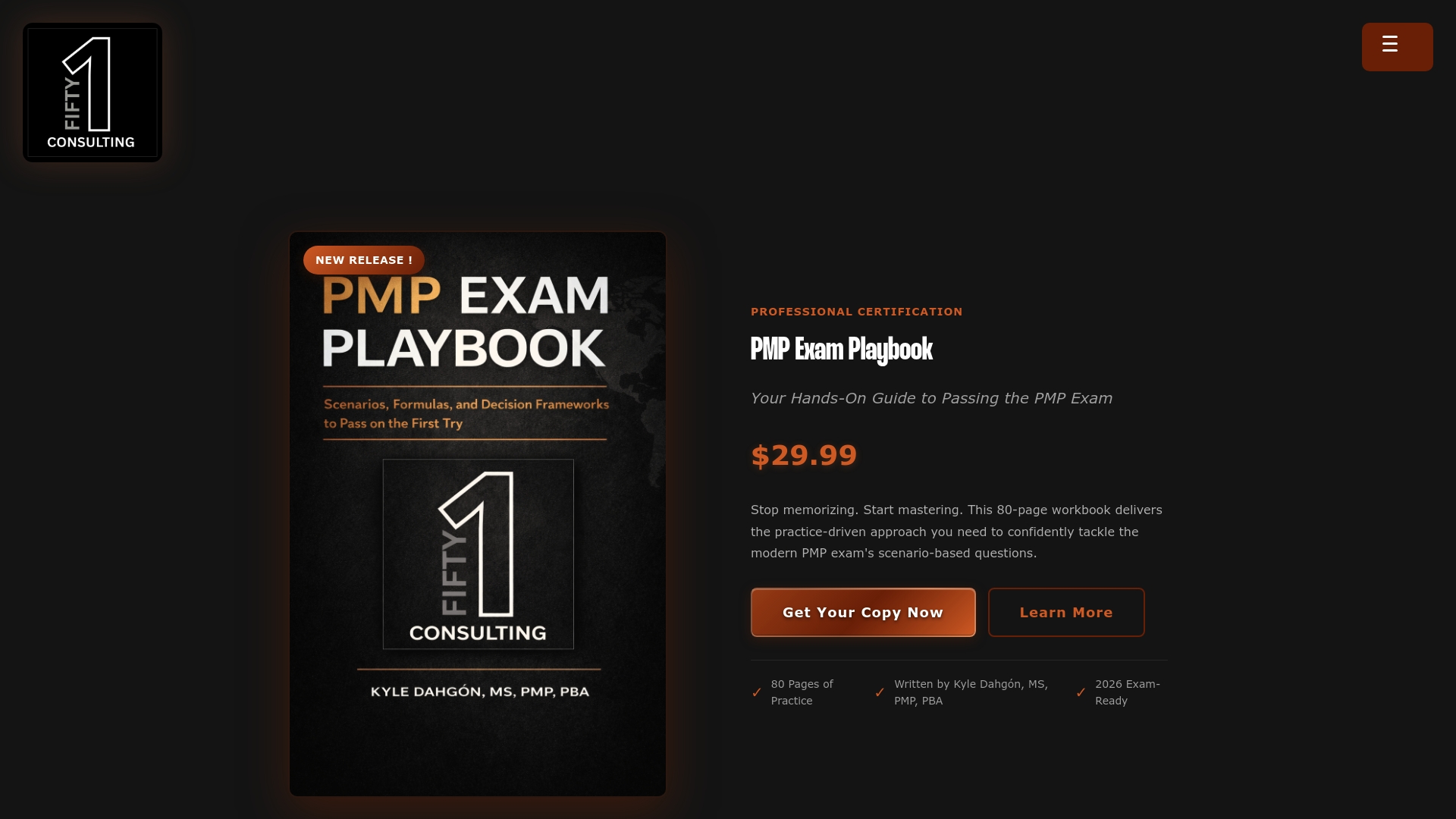
For deeper insight into managing communication and stakeholder expectations across your entire project, consider exploring the PMP Exam Playbook, which covers comprehensive frameworks for communication planning in structured and adaptive environments.
Document changes you make and why. This helps new team members understand the evolution of your communication approach and prevents you from repeating mistakes.
Pro tip: Schedule a monthly communication retrospective where your team reviews what’s working and what isn’t, then make one or two specific improvements each month rather than overhauling everything at once.
Master Agile Communication Plans with Expert Guidance
Struggling to build an effective project communication plan that truly connects with every stakeholder in your Agile delivery? This article highlights the key pain points of identifying stakeholder needs, selecting the right channels, and maintaining consistent communication schedules. These challenges can leave teams frustrated and stakeholders out of sync, risking project delays and misunderstandings. If you want to move beyond guessing and create precise, data-driven communication strategies that keep your Agile projects on track, expert support can make all the difference.
Unlock tailored education consulting focused on project management and delivery execution with Fifty1 Consulting. Our guidance covers crucial certification pathways like PMP, PBA, and CSM to boost your project leadership skills and sharpen your communication planning. Don’t wait until miscommunication slows progress or jeopardizes stakeholder trust. Visit Fifty1 Consulting now to start crafting communication plans that drive Agile delivery success. Learn more about improving communication and stakeholder management through Agile project communication strategies designed just for technology delivery projects.
Frequently Asked Questions
What is the first step in creating a Project Communication Plan for Agile delivery?
To create a Project Communication Plan, the first step is to assess stakeholder needs and communication goals. Identify stakeholders and their roles, then apply stakeholder mapping to understand their influence and interest levels in the project.
How can I define key messages for different stakeholders in my communication plan?
Define core messages by identifying what each stakeholder group needs to understand and remember. Tailor your messages to address their specific concerns, such as business value for executives or requirements clarity for the development team.
What factors should I consider when selecting communication channels?
Consider the preferences and needs of each stakeholder group, such as whether they prefer email for formal updates or instant messaging for quick questions. Match your content to the most effective channel to ensure engagement and clarity in communication.
How often should I communicate with different stakeholder groups during a project?
The frequency of communication should vary based on stakeholder needs. For example, executives may require weekly status summaries, while the development team might need daily updates; tailor your communication schedule accordingly.
How can I monitor the effectiveness of my Project Communication Plan?
To monitor effectiveness, track and measure metrics like attendance in meetings and stakeholder feedback on communication clarity. Regularly solicit input during retrospectives to identify areas for improvement and make adjustments as needed.
What should I do if my communication plan is not working as intended?
If your communication plan isn’t effective, gather feedback from stakeholders and your team to pinpoint issues. Make incremental adjustments, and consider implementing changes within the next sprint cycle to enhance clarity and engagement.
Recommended:


